Latest News

A Complete Guide to Camping in Oman

A Complete Guide to Camping in Oman

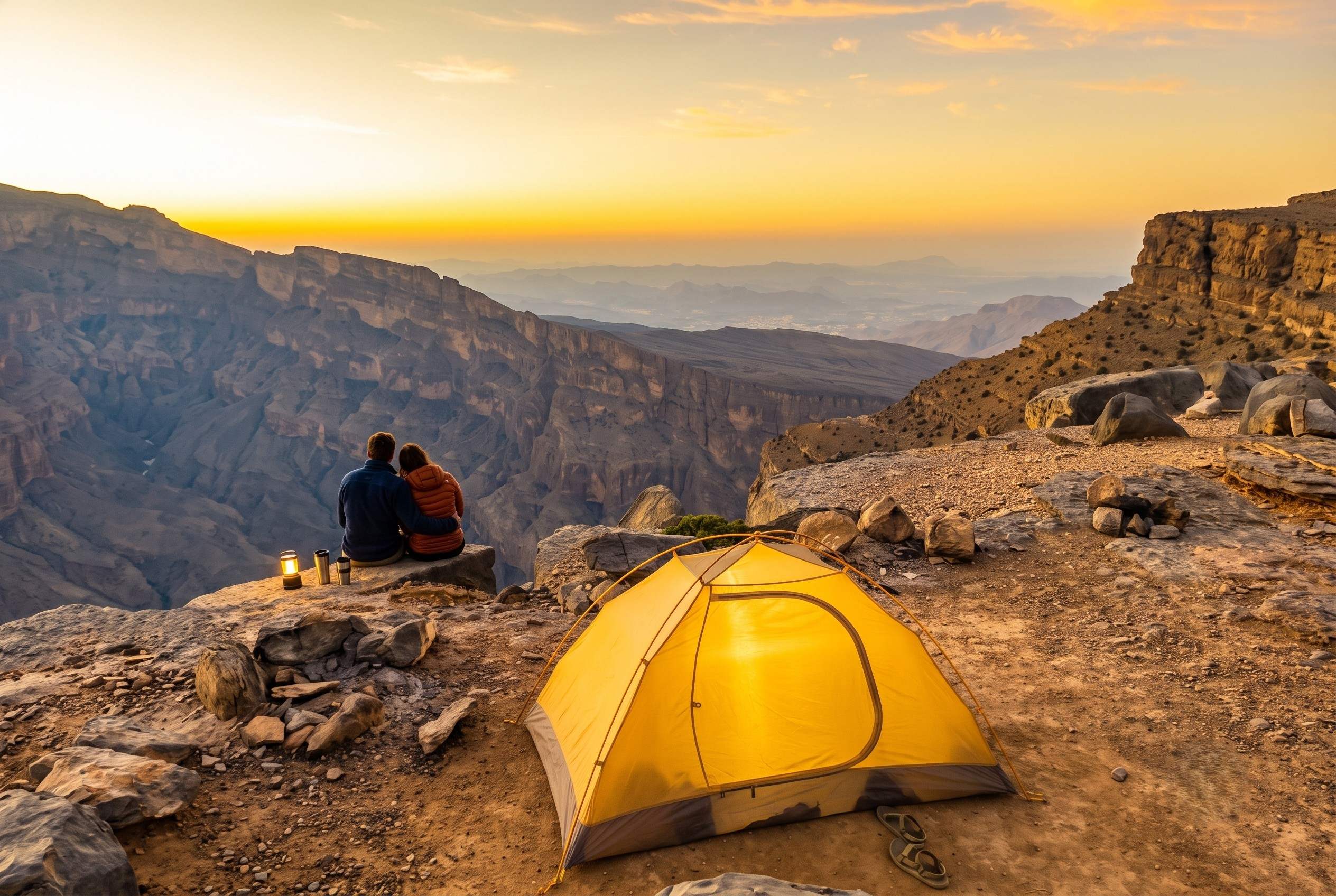
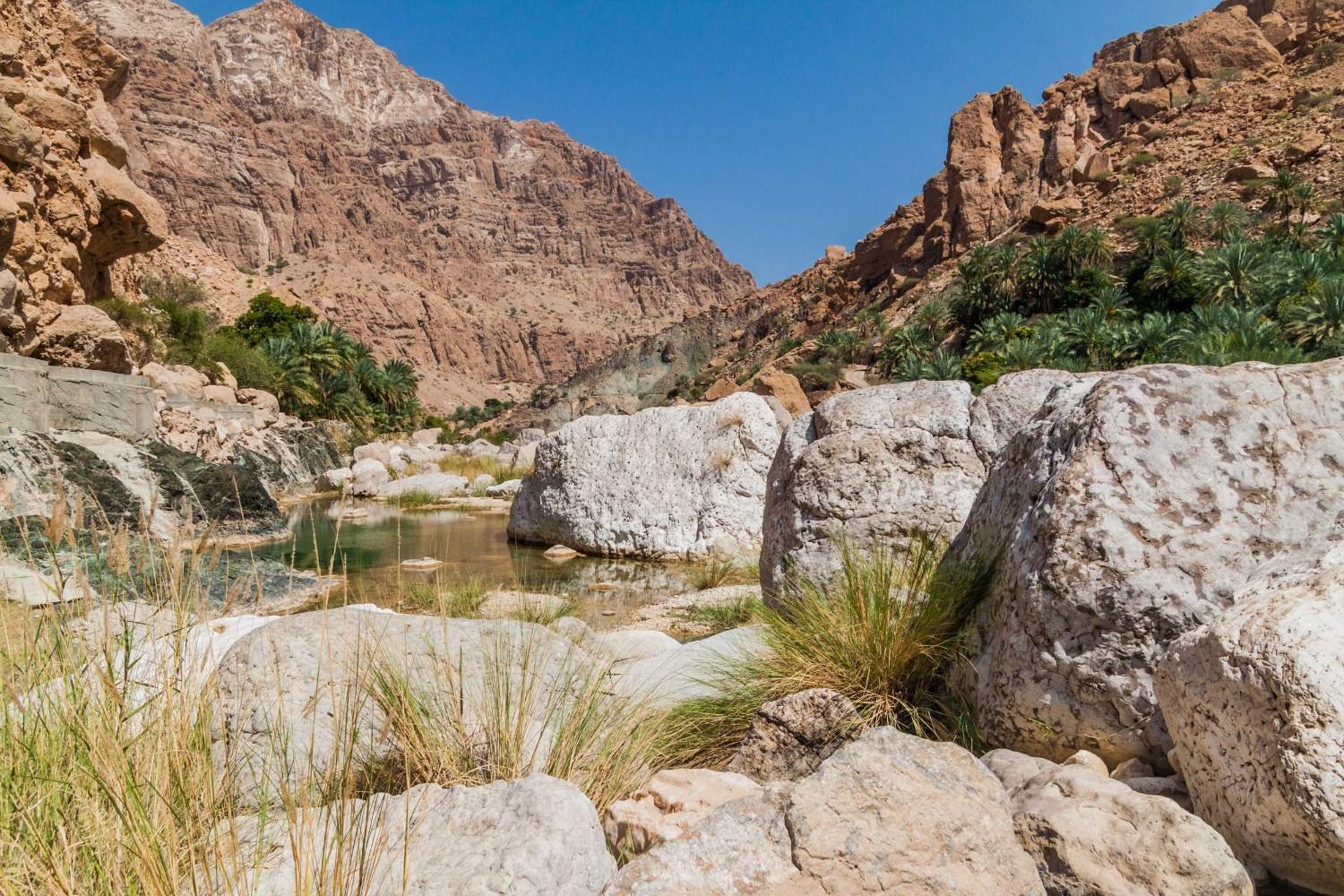
Camping in Oman is one of the best ways to experience the country's breathtaking landscapes, from golden deserts and rugged mountains to turquoise beaches and lush wadis. Camping is widely accepted in many areas, making it easy to enjoy nature without expensive campsites. Whether you are planning a weekend getaway or a road trip, this guide covers where to camp, what to bring, safety tips, and the best time to visit. Before you travel, make sure you have the required documents. Many travellers can conveniently apply for an Oman eVisa online before departure. Why Go Camping in Oman? Camping allows you to experience a different side of Oman that many visitors never see. Instead of staying in hotels, you can wake up beside dramatic cliffs, pristine beaches, peaceful wadis, or endless desert dunes. Camping in Oman offers: Incredible mountain views Peaceful beaches Desert adventures Beautiful stargazing Affordable travel Easy access to remote attractions Unforgettable sunrise and sunset experiences Is Wild Camping Allowed in Oman? One of the biggest advantages of travelling in Oman is that wild camping is generally permitted in most public areas. However, restrictions may apply depending on the location. Unlike many countries, Oman allows responsible camping without needing to book designated campsites in many locations. However, campers should always: Respect private property Avoid military and restricted zones Leave no trace Keep campsites clean Respect local communities Avoid blocking roads or access points Practising responsible camping helps preserve Oman's beautiful landscapes for future visitors. Best Places to Camp in Oman 1. Jebel Shams Known as the "Grand Canyon of Arabia", Jebel Shams is one of Oman's most spectacular camping destinations. Why Camp Here? Stunning canyon views Cool mountain climate Amazing sunrise and sunset Excellent hiking trails Incredible stargazing Best for: Mountain adventures. 2. Wahiba Sands (Sharqiyah Sands) Camping among the rolling dunes is one of Oman's most iconic experiences. Visitors can choose between luxury desert camps or traditional wild camping beneath the stars. Highlights Endless golden dunes Camel rides Sandboarding Desert sunsets Traditional Bedouin culture Best for: Desert camping. 3. Ras Al Jinz Nature lovers will enjoy camping near one of the world's most important sea turtle nesting sites. Highlights Turtle watching Peaceful beaches Beautiful sunrise Coastal scenery Best for: Wildlife enthusiasts. 4. Wadi Shab This famous wadi combines hiking, freshwater pools, and scenic camping opportunities nearby. Highlights Crystal-clear pools Dramatic cliffs Short hiking trails Beautiful scenery Best for: Adventure travellers. 5. Wadi Bani Khalid One of Oman's most beautiful wadis offers natural swimming pools surrounded by rocky mountains. Highlights Freshwater pools Palm groves Family-friendly setting Scenic surroundings Best for: Relaxing nature escapes. 6. Al Mughsail Beach Located near Salalah, Al Mughsail Beach offers one of the country's finest beach camping experiences. Highlights White sandy beaches Ocean views Dramatic cliffs Spectacular sunsets Best for: Beach camping. 7. Fazayah Beach This hidden coastal paradise is perfect for campers seeking peace and unforgettable scenery. Highlights Crystal-clear water Quiet surroundings Excellent swimming Beautiful night skies Best for: Remote camping Best Time to Camp in Oman The ideal camping season is October to April, when temperatures are pleasant across most of the country. Season Weather Camping Experience October-April Cool and comfortable Excellent May Warm Good in mountain June-September Very hot inland Best in Salalah during Khareef If visiting Salalah, the Khareef season (June to September) brings cooler temperatures, misty mountains, and lush green landscapes. Essential Camping Gear Packing the right equipment will make your trip safer and more enjoyable. Shelter Tent Sleeping bag Sleeping mat Camping pillow Groundsheet Cooking Equipment Portable stove Fuel Cooking pot Lightweight utensils Plates and mugs Cooler box Clothing Lightweight clothing Warm jacket for mountain nights Hiking boots Sandals Hat Sunglasses Safety Equipment First aid kit Flashlight or headlamp Power bank Extra batteries Multi-tool Emergency whistle Food & Water Drinking water Snacks Ready-to-cook meals Water purification tablets (for emergencies) Safety Tips for Camping in Oman Camping is generally safe in Oman, but following a few precautions will help ensure a smooth trip. Tell someone your travel plans. Carry enough drinking water. Avoid camping in dry riverbeds (wadis), as flash floods can occur after rain. Check weather forecasts before heading into remote areas. Keep a safe distance from cliffs and steep slopes. Avoid lighting fires during windy conditions. Respect wildlife and avoid feeding animals. Carry offline maps or a GPS device in remote regions. Camping Etiquette in Oman Responsible camping helps protect Oman's natural beauty. Remember to: Leave no litter behind. Dispose of waste responsibly. Avoid damaging plants and wildlife. Respect local customs and nearby communities. Keep noise levels low. Leave campsites cleaner than you found them. ...

11 Most Beautiful Beaches in Oman You Must Visit

11 Most Beautiful Beaches in Oman You Must Visit

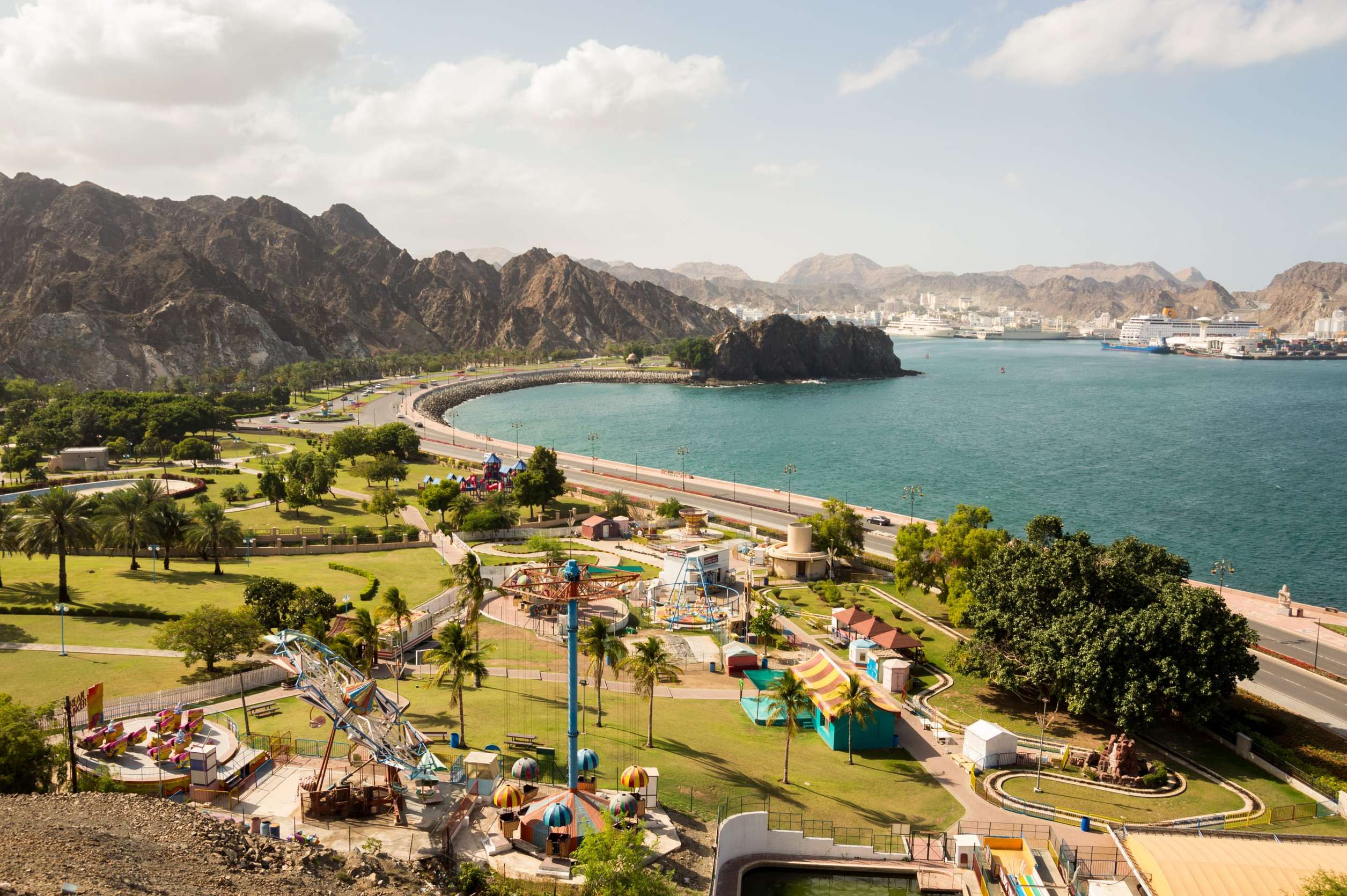
Oman is home to some of the most breathtaking beaches in the Middle East. Stretching along the Arabian Sea and the Gulf of Oman, the country's coastline features golden sands, dramatic cliffs, turquoise waters, and peaceful bays. Whether you're looking to swim, snorkel, relax by the sea, or watch sea turtles nest, Oman offers a beach for every traveler. Many of these beaches are within easy driving distance of Muscat, while others are hidden gems waiting to be explored during a road trip across the country. 1. Al Qurum Beach Located in the heart of Muscat, Al Qurum Beach is one of Oman's most popular coastal destinations. Its long stretch of soft golden sand, calm waters, and palm-lined promenade make it perfect for families, walkers, and beach lovers. Highlights Long sandy shoreline Safe swimming conditions Beautiful sunset views Restaurants and cafés nearby Ideal for jogging and evening walks Best for: Families, relaxing, and city beach experiences. 2. Tiwi Beach Situated along the scenic coastal highway between Muscat and Sur, Tiwi Beach is known for its turquoise water and dramatic mountain backdrop. Visitors often combine a beach visit with nearby wadis, making it one of the most rewarding stops on an Oman road trip. Highlights Crystal-clear water Excellent photography spot Quiet atmosphere Close to Wadi Shab Best for: Scenic drives and peaceful escapes. 3. Al Mughsail Beach Located near Salalah in southern Oman, Al Mughsail Beach is famous for its powdery white sand and spectacular natural blowholes that send seawater high into the air during high tide. Highlights White sandy beach Natural blowholes Dramatic limestone cliffs Stunning coastal scenery Best for: Nature lovers and photographers. 4. Ras Al Jinz Beach Ras Al Jinz is internationally famous as one of the world's most important nesting sites for endangered green sea turtles. While beach activities are limited to protect wildlife, guided turtle-watching tours offer an unforgettable experience. Highlights Sea turtle nesting Protected nature reserve Educational visitor centre Beautiful sunrise views Best for: Wildlife enthusiasts. 5. Bandar Al Khairan Beach Bandar Al Khairan is a collection of secluded coves surrounded by rugged mountains and crystal-clear water. Accessible mainly by boat or kayak, it offers some of Oman's best snorkeling opportunities. Highlights Hidden beaches Colorful coral reefs Snorkeling Kayaking adventures Best for: Marine life and water sports. 6. Al Sifah Beach Located about 45 minutes from Muscat, Al Sifah Beach combines peaceful surroundings with luxury resorts and mountain scenery. Its calm waters make it a wonderful destination for swimming and paddleboarding. Highlights Long sandy coastline Luxury beachfront resorts Peaceful atmosphere Water sports Best for: Relaxing beach holidays. 7. Khalouf Beach Khalouf Beach is famous for its striking white sand dunes that meet the turquoise Arabian Sea. This remote destination remains relatively uncrowded, making it one of Oman's hidden coastal treasures. Highlights White sand dunes Camping opportunities Peaceful environment Incredible sunrise views Best for: Camping and photography. 8. Fazayah Beach Located west of Salalah, Fazayah Beach is often considered one of Oman's most spectacular beaches. The drive down steep mountain roads rewards visitors with untouched sands and brilliant blue water. Highlights Untouched coastline Crystal-clear sea Scenic mountain views Excellent swimming Best for: Adventure travelers. 9. Yiti Beach Only a short drive from Muscat, Yiti Beach offers a quieter alternative to the city's busier beaches. Visitors enjoy camping, fishing, and picnicking while taking in the peaceful coastal surroundings. Highlights Quiet atmosphere Camping Fishing Easy access from Muscat Best for: Weekend getaways. 10. Fins Beach Fins Beach is famous for its bright white pebbles, turquoise waters, and excellent snorkelling conditions. Its location near Bimmah Sinkhole makes it an ideal stop during a coastal road trip. Highlights White pebble beach Clear water Snorkeling Nearby natural attractions Best for: Day trips and swimming. 11. Masirah Island Beaches Masirah Island offers miles of untouched coastline, making it one of Oman's premier beach destinations. The island is popular for kite surfing, wildlife spotting, and relaxing away from crowds. Highlights Endless sandy beaches Turtle nesting areas Kite surfing Rich birdlife Best for: Outdoor adventures and extended beach vacations. Best Time to Visit Oman's Beaches The ideal time to enjoy Oman's beaches is between October and April, when temperatures are pleasant and perfect for swimming, snorkeling, and sightseeing. If you're visiting Salalah, consider traveling during the Khareef season (June to September), when the region transforms into a lush green landscape with cooler weather. Beach Travel Tips for Oman Before visiting Oman's beaches, keep these useful tips in mind: Bring sunscreen, sunglasses, and plenty of water. Wear modest swimwear at public beaches to respect local customs. Avoid leaving litter and help protect marine ecosystems. Check tide conditions before swimming. Respect protected turtle nesting areas and follow local guidelines. Carry snorkeling equipment if visiting coral-rich beaches. Wear comfortable footwear for rocky coastal areas. ...

The Ancient Frankincense Trail in Oman

The Ancient Frankincense Trail in Oman

The Ancient Frankincense Trail in Oman is one of those rare travel stories where history doesn’t feel distant. Instead, it feels present, carried in the air, shaped into the landscape, and still visible in the southern region of Dhofar, especially around Salalah. This was not just a trade route. It was a lifeline between civilisations. Where It All Began: Southern Oman The trail begins in the green valleys and mountains of southern Oman, where frankincense trees (Boswellia sacra) still grow naturally. At first glance, the landscape may surprise you. Instead of endless desert, you’ll find: Mist-covered mountains. Dry wadis carved by time. Scattered trees that produce one of the world’s oldest luxury resins. This resin, known as Frankincense, is what put Oman on the ancient world map. Why Frankincense Mattered So Much Frankincense wasn’t just a fragrant material; it was deeply valuable. In ancient times, it was used for: Religious ceremonies in temples and churches. Perfumes and oils for royalty. Traditional healing practices. Its demand was so high that it was often treated as a luxury commodity, sometimes compared to gold in value and importance. Because of this, entire trade systems were built around it. How did the Frankincense Trail Work? The Ancient Frankincense Trail was a network of land and sea routes connecting Oman to major ancient civilisations. Overland routes Caravans of camels carried frankincense through desert paths, stopping at oasis settlements before moving north through Arabia. Maritime routes From Oman’s southern ports, ships transported frankincense across the seas to: Egypt. India. Mesopotamia. and the Roman Empire. This made Oman a key trading hub linking East and West long before modern trade existed. Exploring the Major Stops Along the Trail Several important locations connected to the Frankincense Trail can still be visited today. Wadi Dawkah This remarkable area is home to naturally growing frankincense trees and remains one of the most important frankincense-producing landscapes in the world. Visitors can walk among the trees and learn about traditional harvesting methods practised for generations. Al-Baleed Archaeological Park Located near Salalah, Al-Baleed was once a thriving port city that helped export frankincense to overseas markets. Today, the site features impressive archaeological remains and offers insight into Oman's maritime trading history. Sumhuram (Khor Rori) Perched beside a natural lagoon, Sumhuram served as a fortified trading settlement and an important centre for the export of frankincense. The ruins provide a fascinating glimpse into life along the ancient trade route. Shisr (Ubar) Often associated with legends of the "Lost City of Ubar," Shisr was an important desert stop for caravans crossing the Arabian Peninsula. Its strategic location helped support long-distance trade through some of the region's harshest environments. Life Along the Ancient Caravan Routes Travelling the Frankincense Trail was not an easy task. Merchants faced extreme temperatures, limited water supplies, and long journeys across vast desert landscapes. Camel caravans were carefully organised, with traders relying on wells, oasis settlements, and local knowledge to survive. Despite these challenges, the rewards were substantial, making the journey worthwhile for generations of traders. Frankincense in Omani Culture Today Although global trade has changed dramatically, frankincense remains an important part of Omani culture. Visitors will often encounter its distinctive fragrance inhomes, hotels, shops, and cultural events. Burning frankincense continues to symbolise hospitality and welcome, reflecting traditions that have endured for centuries. Local markets in Salalah also offer a variety of frankincense products, from raw resin to oils and fragrances. Visiting the Frankincense Trail Today Exploring the Frankincense Trail is one of the most rewarding experiences in southern Oman. Many visitors base themselves in Salalah and take day trips to the key historical sites. Along the way, they can enjoy dramatic mountain scenery, coastal landscapes, archaeological attractions, and traditional Omani culture. Whether you're interested in history, archaeology, nature, or photography, the trail offers something unique at every stop. Best Time to Visit The Frankincense Trail can be explored throughout the year, but many travellers consider the Khareef season (June to September) particularly special. During this period, seasonal monsoon rains transform the Dhofar region into a lush, green landscape. Waterfalls flow through the mountains, temperatures become more comfortable, and the scenery contrasts beautifully with the surrounding desert environment....

Oman Has the Only Desert Monsoon in the World

Oman Has the Only Desert Monsoon in the World

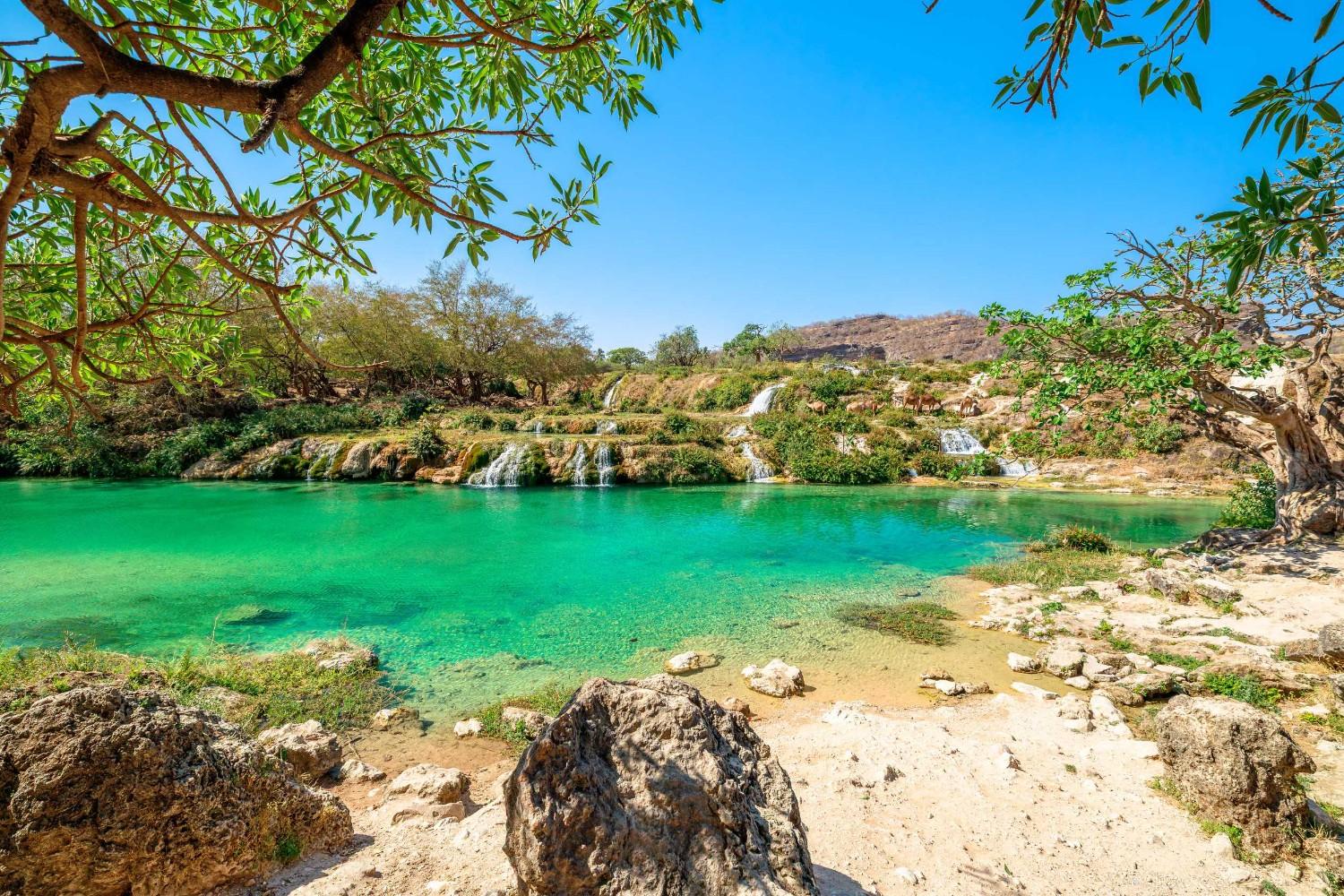
When most people think of Oman, they imagine vast deserts and rugged mountains. However, southern Oman experiences a remarkable phenomenon known as Khareef, a seasonal monsoon that transforms dry landscapes into lush green hills, misty valleys, and flowing waterfalls. It is one of the most unique natural spectacles in the Middle East and a surprising side of Arabia that many travellers don’t expect to see. What Makes Oman’s Monsoon So Unique? Monsoons are usually linked to tropical regions like India and Southeast Asia, but in Oman, they occur in a desert environment, making it extremely rare. During Khareef, moisture from the Indian Ocean reaches the Dhofar Mountains, bringing fog, drizzle, and light rain that transform the area into green hills and flowing waterfalls, a striking contrast to the surrounding desert. How the Landscape Changes The Khareef transformation is so dramatic that many first-time visitors can hardly believe they are still in Oman. Before the monsoon arrives, the region is dry and desert-like, typical of the Arabian Peninsula. But once the seasonal winds bring in moisture, the entire landscape shifts into a completely different scene. Visitors can expect to see: Green hills stretching across the countryside. Low clouds and mist wrap around mountain peaks. Seasonal waterfalls and flowing streams. Cool, refreshing temperatures compared to the Gulf heat. Misty roads and scenic viewpoints. Grazing livestock in lush green pastures. This sharp contrast between Oman’s desert surroundings and the green south makes Khareef one of the most unforgettable travel experiences in the country. Why Travellers Love Visiting During Khareef Every year, thousands of visitors head to Salalah to enjoy its cool climate and scenic landscapes during the monsoon season. Unlike the extreme heat in many Gulf destinations, Salalah offers a refreshing, mild atmosphere, making it a perfect escape in summer. Popular activities include: Exploring scenic mountain roads. Visiting waterfalls and natural springs. Enjoying picnics in green valleys. Discovering local markets and cultural sites. Capturing mist-covered landscapes. Must-Visit Places During the Monsoon Several destinations become especially beautiful and vibrant during Khareef. Wadi Darbat One of the most famous natural spots in the region, Wadi Darbat, is known for its waterfalls, lakes, and lush green scenery during the monsoon season. Jabal Samhan A stunning mountain range offering breathtaking viewpoints, where visitors can watch clouds drifting through deep valleys below. Salalah The heart of the Khareef experience, Salalah blends natural beauty, cultural sites, beaches, and traditional Omani hospitality into one unique destination. Conclusion It is a rare natural phenomenon that makes southern Oman one of the most unique travel destinations in the world. For anyone looking for a refreshing escape and unforgettable scenery, Khareef is truly worth experiencing....

Why Serious Travellers Are Picking Oman Over Dubai

Why Serious Travellers Are Picking Oman Over Dubai

For years, Dubai has been one of the Gulf’s most popular destinations, famous for its luxury lifestyle, skyscrapers, and world-class attractions. Today, many travellers are looking for something different and worth visiting. Instead of crowded hotspots and packed itineraries, many are seeking authentic experiences, natural beauty, and meaningful cultural connections. That's where Oman stands out. A More Authentic Travel Experience One of Oman's biggest strengths is its authenticity. Traditional villages, historic forts, and local markets remain an important part of everyday life. Rather than feeling designed for tourists, Oman offers visitors a chance to experience the country's culture, heritage, and traditions more naturally. Nature Takes Centre Stage If you love the outdoors, Oman has plenty to offer. Travellers can explore mountain ranges, hidden wadis, vast deserts, and stunning coastlines all within one trip. Whether you're hiking in Jebel Shams, swimming in a wadi, or watching the sunset over the dunes, the scenery is unforgettable. The Charm of Slow Travel Oman is perfect for travellers who enjoy slowing down. Instead of rushing from attraction to attraction, you can take scenic road trips, explore traditional towns, and spend more time appreciating the journey itself. For many visitors, this relaxed atmosphere becomes one of the highlights of the trip. Warm Omani Hospitality Oman is known for its friendly and welcoming people. It's common to be greeted with a smile, offered traditional coffee and dates, or receive helpful advice from locals. These genuine interactions often become some of the most memorable parts of a visit. Easy Travel with the Oman eVisa Planning a trip is also simple. Many nationalities can apply for an Oman eVisa online, making the travel process quick and convenient before departure. This means less time worrying about paperwork and more time planning your adventure. Oman or Dubai? Both destinations have their appeal, but they offer very different travel experiences. Choose Oman if you enjoy: Luxury shopping and designer brands. World-class entertainment and nightlife. Modern architecture and iconic landmarks. Luxury hotels and resort experiences. A fast-paced city atmosphere. Choose Dubai if you prefer: Breathtaking natural landscapes. Mountain adventures, wadis, and deserts. Authentic cultural experiences. Historic forts and traditional villages. A slower, more relaxed style of travel. Ultimately, the choice depends on what you're looking for. If you want glamour, entertainment, and city life, Dubai is an excellent option. If you're seeking nature, culture, and meaningful exploration, Oman is a destination you'll never forget. Final Thoughts Dubai may be famous for its modern attractions, but Oman is winning over travellers needing something more personal and memorable.  With its spectacular landscapes, rich heritage, welcoming culture, and peaceful atmosphere, Oman offers a side of the Gulf that many visitors never forget. For travellers seeking a deeper connection with a destination, Oman is becoming one of the region’s most rewarding places to explore....

Exploring Oman Beyond the Usual Tourist Routes

Exploring Oman Beyond the Usual Tourist Routes

Oman is often celebrated for its iconic landmarks, vast deserts, and beautiful coastline. But beyond the well-known attractions lies a quieter, more authentic side of the country where mountain villages, hidden beaches, and untouched wadis offer deeper and more meaningful travel experiences. Before planning your trip, travellers can easily apply for an Oman eVisa online, making entry simple and convenient for most visitors. Here are some unique experiences in Oman beyond the usual tourist attractions. Explore the Hidden Villages of Jebel Akhdar Jebel Akhdar, known as the "Green Mountain", is more than just scenic viewpoints. It is home to traditional villages, ancient farms, and terraced landscapes. Wander through mountain villages such as Al Ayn and Ash Shirayjah, where life still follows old mountain traditions. You'll see stone houses, falaj irrigation systems, and fruit orchards built into the cliffsides. It is one of the best places to experience Oman's rural heritage up close. Experience a Remote Desert Stay Instead of staying in busy desert camps, head deeper into the dunes for a more private and peaceful experience. In the vast landscapes of Sharqiya Sands, you can find small, locally run camps that offer a more authentic glimpse of Bedouin life. Expect quiet nights, traditional meals, and a sky full of stars with minimal light pollution. This is desert life in its purest form. Hike Beyond the Balcony Walk in Jebel Shams The famous Balcony Walk is just the beginning. Beyond the main trail, you’ll find quieter paths, abandoned settlements, and dramatic canyon scenery. The surrounding area of Jebel Shams offers breathtaking views of Wadi Ghul, often referred to as Oman's "Grand Canyon", with fewer visitors the further you explore. It is ideal for travellers who enjoy hiking in peaceful and unspoiled landscapes. Discover Quiet Beaches Along the Batinah Coast While many travellers head to popular beaches near Muscat, the Batinah coastline offers long stretches of relatively undeveloped shoreline. Here, you'll find small fishing villages, hidden coves, and calm turquoise waters away from the crowds. It is perfect for scenic drives, photography, or simply relaxing by the sea. Visit Lesser-Known Forts and Heritage Sites Oman is home to many historic forts beyond the famous sites in major cities. Smaller forts often provide a more peaceful and authentic experience. Explore places such as Nakhal Fort and Rustaq Fort, where history blends with mountain and oasis landscapes. These sites are often quieter, allowing visitors to explore at their own pace. Swim in Hidden Wadis Oman’s wadis are famous, but many lesser-known valleys remain peaceful and less visited. Beyond the popular sites, you can find secluded pools surrounded by cliffs and palm trees. Some require short hikes to reach, but the reward is crystal-clear water and beautiful natural surroundings away from busy tourist areas. Experience the Green Season in Dhofar (Salalah) During the Khareef season, southern Oman transforms into a lush green landscape. Mist-covered mountains, flowing waterfalls, and cooler temperatures create a striking contrast to the country's desert scenery. It is one of Oman's most unique natural phenomena and a must-see for travellers seeking a different side of the country. Content Disclaimer: Although this information was last updated in June 2026, we recommend verifying with the appropriate agencies, embassies, and airlines to ensure complete accuracy regarding your travel plans....

Unified GCC Tourist Visa Delayed

Unified GCC Tourist Visa Delayed

It’s confirmed that the launch of theUnified GCC Tourist Visa has been postponed and will take place sometime in 2026. Earlier, the Unified GCC Tourist Visa, also known as the Grand Tours Visa, was anticipated to roll out in 2025. The extended technical and security preparations, along with ongoing discussions among the authorities, have caused the delay, said officials. This delay means travellers need to wait longer for a smooth and uninterrupted travelling experience across Bahrain, Kuwait, Saudi Arabia, Oman, the United Arab Emiratesand Qatar,the Gulf nations. Understanding the GCC Grand Tours Visa The GCC Grand Tours Visa initiative was proposed and approved by the GCC interior ministers in November 2023. This initiative allows travellers to move freely on a single visa across the six countries, including Bahrain, Kuwait, Saudi Arabia, Oman, the United Arab Emirates and Qatar. The concept of the GCC Grand Tours Visa is similar to Europe’s Schengen Visa. Once implemented, it will support multi-country travel within the GCC, making it much easier for travellers. Approval Granted, but still in Progress. In November 2023, the GCC interior ministers approved the Unified GCC Tourist Visa. However, the officials indicated that by the end of 2025, the project would enter the pilot phase and a full launch later on. However, aligning the complex internal procedures and immigration processes across the six sovereign nations is the primary reason for the postponement. With distinct border control processes, security procedures and biometric screening systems, these countries need to work together consistently. All these essential factors must be addressed before the visa is made available to travellers. Tourism Growth Still the Central Plan The growth in tourism across these six Gulf countries remains the central idea of the GCC Grand Tourist Visa plan. Despite the delay, the tourism authorities support the Grand Tourist Visa. According to UN Tourism data, the GCC received over 68 million international travellers in 2023, but only a small share of travellers travelled across the Gulf countries. Officials believe that after the launch of the unified GCC Tourist Visa, tourism between these six nations might increase by at least 20%. The visitors could also stay longer, up to 7 nights, rather than 3.5 nights.  Long-term Strategic Importance remains Intact. The long-term goals of the Unified GCC Tourist Visa continue to focus on enhancing tourism and economic plans across the Gulf. Saudi Arabia’s long-term strategic aim of welcoming 150 million visitors each year by 2030, and Dubai’s visitors’ numbers, depend highly on the travel links between these 6 Gulf countries. Also, despite the disappointment among Gulf travellers, the positive outlook is a safer, more reliable single-visa system that will work well for all 6 Gulf nations. IMPORTANT NOTICE - For a detailed overview visit the online Oman eVisa portal....

Oman Adventure Activities: Hiking, Diving & Desert Safaris

Oman's diverse landscapes and pristine natural environments create exceptional opportunities for adventure activities that range from world-class diving in crystal-clear waters to challenging mountain hikes and authentic desert safaris. The country's commitment to sustainable tourism and environmental protection ensures that these adventures remain authentic while providing safe, professionally guided experiences that showcase the remarkable natural beauty and biodiversity that make Oman a premier adventure destination. This comprehensive guide explores the full spectrum of adventure activities available throughout Oman, providing detailed information about locations, difficulty levels, seasonal considerations, and practical requirements that help you choose the perfect adventures for your skill level and interests while ensuring safe and memorable experiences. Mountain Adventures and Hiking Jebel Shams: The Grand Canyon Experience Jebel Shams, Oman's highest peak, offers some of the most spectacular mountain adventures in the Arabian Peninsula, where dramatic canyon views, challenging hiking trails, and unique high-altitude ecosystems create unforgettable experiences for adventurers of all skill levels. The famous "Balcony Walk" provides accessible hiking with spectacular canyon views, following an abandoned village path along the canyon rim that offers constantly changing perspectives of the dramatic gorge below. This moderate hike requires 2-3 hours and provides excellent introduction to Oman's mountain environments while offering spectacular photography opportunities. Advanced hiking routes include challenging treks to remote peaks and canyon descents that require technical skills and proper equipment. These adventures provide access to pristine wilderness areas where few visitors venture while offering opportunities for wildlife observation and geological discovery. Rock climbing opportunities range from beginner-friendly routes to challenging multi-pitch climbs that test the skills of experienced mountaineers. The limestone cliffs provide excellent climbing conditions with reliable rock quality and spectacular exposure. Via ferrata routes combine hiking and climbing elements with fixed protection systems that enable access to dramatic cliff faces and canyon walls while providing safety for adventurers with limited technical climbing experience. ...

Loading...